
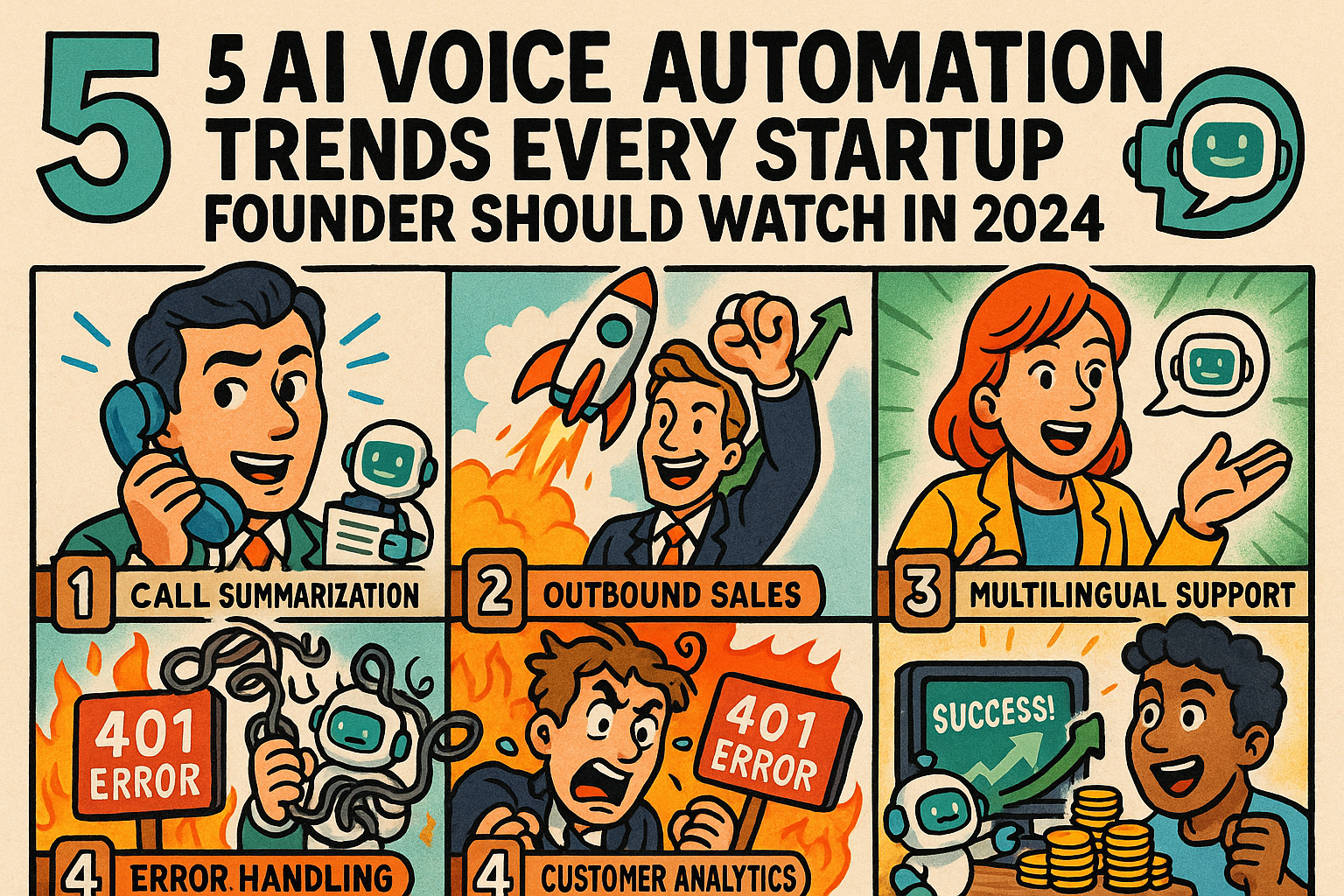
The world of digital interaction is changing faster than ever, and startups are at the forefront of this revolution. From virtual assistants to intelligent lead engagement tools, AI voice automation is redefining how businesses communicate with customers. As we step into an era where conversation is the new interface, it’s no longer a question of if you’ll adopt voice automation, but how quickly you can leverage it to stay ahead. Let’s explore the top AI voice automation trends every startup founder should be paying attention to in 2024.
1. Hyper-Personalized Voice Experiences
The days of robotic, one-size-fits-all interactions are over. Today’s AI voice systems can adapt tone, pace, and language based on customer profiles and behavioral data. Startups are using these capabilities to create hyper-personalized conversations that resonate deeply with users. Whether it’s a tailored onboarding call or a friendly follow-up from a lead engagement tool, personalization has become the secret ingredient for higher conversion and customer loyalty.
2. Multi-Language and Accents Support
Global reach is now within every startup’s grasp. AI voice platforms are moving beyond English-centric communication by supporting multilingual conversations with nuanced accent recognition. Imagine your startup serving customers across continents—each interaction feeling local, natural, and culturally aware. This level of accessibility isn’t just convenient; it’s a competitive differentiator that can open up new markets effortlessly.
3. Seamless Integration with CRM and Marketing Tools
The next generation of AI voice automation doesn’t stand alone—it integrates seamlessly with CRM systems, marketing tools, and data analytics platforms. Startups can now collect meaningful customer insights directly from voice interactions, enabling more data-driven decisions. It’s about merging automated voice outreach with powerful backend intelligence to build stronger relationships and more predictable growth.
4. Conversational Analytics and Emotional Intelligence
AI isn’t just learning what customers say—it’s beginning to understand how they feel. Emotional intelligence in AI voice systems allows businesses to gauge sentiment through tone and language, responding with empathy and relevance. For startup founders, this trend means being able to replace generic messages with emotionally aware conversations that build trust and authenticity—something that’s priceless in early growth stages.
5. Scalable Voice-Led Lead Engagement
One of the most impactful applications of AI voice automation is in lead engagement. Instead of relying solely on human sales calls, startups can deploy AI-driven lead engagement tools that qualify prospects, schedule demos, and follow up automatically. The best part? It all happens naturally, as if a friendly human outreach manager were on the other line. This level of scalability can compress weeks of manual workload into hours, freeing founders to focus on strategic growth.
Conclusion: The Voice-First Future Awaits
AI voice automation isn’t just a tool—it’s a transformation. The startups that thrive in this new frontier will be those embracing its potential now, not waiting for the technology to mature. By weaving conversational automation into your customer journey, you can amplify your reach, deepen engagement, and build relationships that scale effortlessly. The opportunity is already here—how you use it will define your startup’s future.
Start Using ezDial Today: https://ezdial.ai/prices/